Mobile phones and lone worker alarms: where phone safety falls short
@readyatwork
Working alone changes the value of a phone. A mobile handset can be useful for routine contact, but it has limits when a worker is isolated, injured, confused or unable to speak. A lone worker alarm is designed around those limits. It gives a worker a direct way to raise an alert and gives a response contact clearer information about where the person is and what may have happened.
This matters across many New Zealand workplaces, from rural sites and late shift cleaning to maintenance rounds, security patrols and visits to remote properties. The risk is not only being far from other people. It is also being out of routine contact, in a place where a normal phone call may not happen at the expected time, or in a situation where the worker cannot operate a small screen.
What a lone worker alarm does
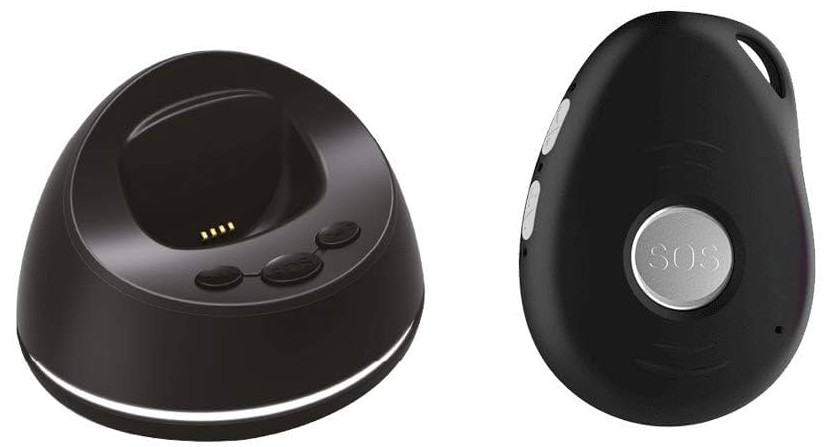
At its simplest, a lone worker alarm is a dedicated safety device or service link that helps a worker call for help when something goes wrong. Depending on the setup, it may include an SOS button, GPS location, two way voice, man down detection and fall detection alerts. Those functions work together to answer three questions that a phone alone may leave open: is the worker in trouble, where are they, and can anyone speak with them?
A phone can dial an emergency number, and that remains essential. The issue is that a phone often assumes the person can unlock it, find the right screen, make a call and explain the problem. In a fall, a sudden illness, an aggressive encounter or a serious incident, those steps may be difficult. A wearable alarm puts the main action closer to hand and reduces the number of decisions needed at the moment help is needed.
The word wearable is important here. A device carried on the body is more likely to be available when a worker moves between vehicles, buildings, yards, paddocks or floors. A phone may be in a pocket, a bag, a car cradle or back at the office. A dedicated alarm can be part of the worker's normal kit in a way that a personal phone is not.
Why mobile phones may not be enough
Phones are general purpose tools. They handle messages, maps, photos, banking, rosters and calls. That flexibility is useful, but it also means safety is one function among many. Battery use, screen locks, app notifications, poor signal and background noise all affect whether a phone call happens quickly and clearly.
Coverage is a practical concern in isolated work. A handset may show bars in one spot and lose them in a hollow, shed, basement, steep track or remote road. Even when a call connects, the worker may struggle to describe the location. A person who is shaken or in pain may give an incomplete address, a vague landmark or no location at all. GPS location attached to an alert can reduce that uncertainty, although it still depends on the device being able to send its position.
There is also the problem of silence. Many lone work arrangements rely on check ins. If a worker misses a call, someone may wait before acting, because lateness can have ordinary explanations. A man down alert or fall detection alert can change that pattern by flagging a possible incident without waiting for the worker to make a call. It does not replace a human response plan, but it can give that plan an earlier trigger.
Two way voice can help once an alert has been raised. It allows a nominated contact or response point to speak with the worker, gather basic information and confirm what kind of help is needed. That can be more useful than repeated phone attempts, especially when the worker can talk but cannot safely handle a handset. The ability to speak also helps separate a false alarm from a genuine emergency.
What the reader should look for
A lone worker alarm is not just a button. The value sits in the whole path from alert to action. Before choosing any system, it helps to map the workday and ask what would happen at the worst moment, not just on a normal day. This is where a risk assessment becomes practical rather than paperwork.
Start with the work itself. Where do people go, and how predictable are those locations? Do they work near water, machinery, livestock, heights, traffic or members of the public? Are they exposed to fatigue, heat, cold, chemical hazards or medical risk? Some of these hazards need controls that no alarm can replace, and high risk tasks may need a qualified professional or a different work method. The alarm sits alongside those controls. It helps after something has gone wrong or when a worker needs to signal that something is wrong.
Next, think about the connection between the worker and the responder. A clear SOS button is useful, but someone has to receive the signal. That is where a nominated contact, agreed response plan and emergency procedure matter. The worker should know who is expected to respond, what information will come through and what to do if the first contact is unavailable. A device that sends an alert into uncertainty is weaker than a simpler device linked to a well understood process.

Site context also shapes the choice. loneworkeralarms.co.nz describes wearable lone worker alarms for New Zealand workplaces with SOS, GPS, two way voice, man down and fall detection alerts. Those functions point to the main difference between a general phone and a dedicated safety tool: the phone needs the worker to make and explain the call, while the alarm can be built around rapid signalling, location and voice contact.
How the alert path usually works
The details vary by system, but the basic sequence is easy to understand. A worker carries or wears the alarm. If something happens, they press the SOS button when they can, or the device may detect a fall or a lack of movement associated with man down alerts. The alert is sent to a contact or monitoring point. GPS location may be included so the responder has a starting point for locating the worker. Two way voice, where available, allows the responder to speak with the worker and decide what kind of assistance is needed.
This path has weak points that should be considered honestly. A device needs charge. It needs an available network or other communication path. GPS location can be less precise in some places. Fall detection may not suit every incident, and a worker who remains still but conscious may not always trigger the expected response. An SOS button still needs to be reachable. None of this makes the idea pointless. It shows why the alarm should be part of a broader plan, not treated as a guarantee.
For the reader, the practical question is whether the current phone based arrangement covers the moments when a worker cannot act normally. If the answer is uncertain, a dedicated lone worker alarm may close part of that gap. The strongest approach is usually layered: remove hazards where possible, set clear work rules, keep communication expectations simple, and give isolated workers a direct means of raising help.
Making the choice useful in daily work
Adoption depends on ordinary details. A device that stays in a drawer fails at the same point as a phone left in the car. It needs to be worn or carried in a consistent way, with the SOS button accessible and the worker confident about how it behaves. Short, calm training helps more than a long document that nobody revisits. Workers should know what a normal alert sounds like, how two way voice works, what location information may be sent and what happens after they press the button.
Responders need equal clarity. They should know how to interpret an alert, how to use GPS location without assuming it is exact, and when to escalate to emergency services. A response plan should also cover missed check ins, failed contacts and false alarms. When these details are settled in advance, the technology supports decisions instead of creating new confusion during an incident.

There is a wider cultural point. Isolated workers often make judgement calls about when a situation is serious enough to interrupt work. A dedicated alarm can make it easier to signal early, before a minor problem becomes a major one. That only works if workers are encouraged to act when they feel unsafe and are not expected to justify every alert at the time.
Mobile phones will remain part of everyday work communication. They are familiar, flexible and often the first tool people reach for. But isolation changes the conditions. A worker may be unable to speak, unsure of the location, out of coverage or simply too far from routine contact for a missed call to mean anything. A lone worker alarm is built for that narrower, harder moment. It gives the worker a clearer way to call for help and gives the people responsible for safety a better chance of responding with purpose.
The right decision comes from matching the tool to the actual work. Consider the environment, the type of incidents that are plausible, the reliability of communication and the response capacity behind the alert. loneworkeralarms.co.nz fits within the subject of wearable alarms for New Zealand workplaces, but the broader lesson applies everywhere: a phone is useful, yet a worker in trouble needs more than a general purpose device and a hope that someone will notice.